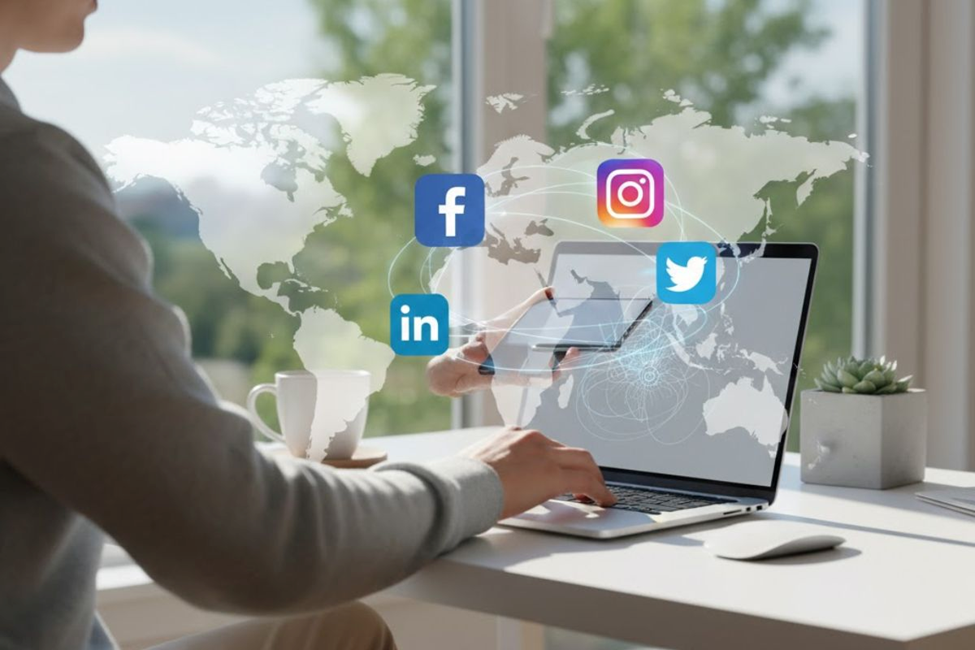
Social media has become the cornerstone of communication in today’s digital world. With over 4.2 billion active social media users across the globe, platforms like Facebook, Twitter, Instagram, and LinkedIn offer unprecedented access to a vast audience. Whether you’re running a business, building a personal brand, or simply staying connected, having a social media account provides powerful benefits that can transform your online presence and drive real-world success.
The National Business Association has authored and curated resources on various topics in multiple formats to help you achieve your goals. Whether you’re considering starting your first business or are a seasoned entrepreneur, the Resource section of the NBA website provides helpful and relevant resources in an easy-to-navigate format. This accomplishes the mission of helping small businesses succeed and fulfills the vision of being an indispensable resource for self-employed individuals, small business owners, and entrepreneurs. Taking advantage of social media within your digital marketing strategy means you’re not missing out on a fast, inexpensive, and effective way to reach almost half the world’s population.
Building Brand Recognition and Authority
1. Increase Brand Awareness Across Global Audiences
One of the primary benefits of having a social media account is the ability to increase brand awareness among a global audience. With over half the world’s population using social media, platforms provide a natural place to reach new and highly targeted potential customers. Companies like Stillhouse Spirits achieved a 17-point lift in ad recall through Facebook campaigns targeting outdoor enthusiasts.
By regularly posting relevant content and engaging with followers, brands get discovered by new audiences. This enables businesses to introduce themselves to broader markets and establish a recognized name in their industry. The expanding reach allows you to connect with audiences you might never access through traditional advertising methods.
2. Build Consistent Brand Identity
Social media allows companies to consistently convey their brand’s voice, mission, and values across all platforms. Using the same logo, color schemes, and messaging creates a cohesive brand image that customers recognize instantly. This consistency builds trust and recognition among customers, making your brand memorable and trustworthy in an increasingly crowded marketplace.
Whether you’re a small startup or large corporation, maintaining consistent branding helps establish credibility in the modern marketplace. Every post, comment, and interaction reinforces who you are as a brand, creating multiple touchpoints that strengthen customer relationships and foster lasting impressions across different social platforms.
3. Humanize Your Brand Through Authentic Connections
The ability to create real human connections represents a key benefit of social platforms. This concept, known as Meaningful Relationship Moments, allows you to introduce followers to the people who make up your company and showcase how existing customers are using and benefiting from your products. Originality builds trusts, which in turn builds marketing openness and operate new business.
Social media is the best place to get real by embracing brand values, showing how products work in real life, and putting the interests of employees and customers first. When you share behind-the-scenes content, employee stories, and genuine customer experiences, you transform your brand from a faceless entity into a relatable presence that people want to support.
4. Establish Thought Leadership in Your Industry
According to the 2021 Edelman Trust Barometer, there has been a recent swing towards distrust of government, NGOs, and media, but business remains an institution with a 61 percent level of trust. People are looking to brands for insights and information, making social media the perfect channel for establishing authority.
Social media offers the opportunity to establish your brand as a thought leader—the go-to source for information on topics related to your niche. LinkedIn, particularly the LinkedIn Publishing Platform, provides a great network to focus on when aiming to establish thought leadership. Hootsuite chairman and co-founder Ryan Holmes has 1.7 million followers on LinkedIn where he shares insights about social media and entrepreneurship.
5. Stay Top of Mind With Your Audience
Seventy percent of social media users log into their accounts at least once per day according to a 2021 study by Pew Research Center, and many people (49 percent) admit to checking social multiple times per day. This frequent engagement creates continuous opportunities for your brand to appear in their feeds.
Keep your social posts entertaining and informative, and your followers will be glad to see your new content in their feeds, keeping you top of mind so you’re their first stop when they’re ready to make a purchase. This doesn’t mean you need to be glued to your accounts 24/7—a scheduling tool like Hootsuite can help you plan content to post well in advance.
Driving Growth and Sales
6. Drive Targeted Website Traffic
Social media posts and ads are key ways to generate traffic to your website. Sharing great content from your blog or channels is a great way to get readers as soon as you publish a new post. You can use UTM tracking tags to collect data on click-through.
Architectural Digest teases Story content in its Instagram feed and then directs followers to read the full article and see more beautiful pictures via the “link in bio.” Participating in social chats can increase visibility, get attention from new people, and showcase expertise. Include your website address in all your social media profiles so people who want to learn more can do so with one easy click.
7. Generate High-Quality Leads
Understanding Lead Generation Benefits
Social media offers an easy and low-commitment way for potential customers to express interest in your business and products. Lead generation is an important benefit, as many social networks offer advertising formats specifically designed to collect leads without requiring users to leave the platform.
Real-World Lead Generation Success
McCarthy and Stone used Facebook lead ads that allowed people interested in learning more about their real estate projects to explore properties with just a couple of taps. The ads wound up producing 4.3 times more sales leads than the year before at a cost 2 times lower than traditional digital prospecting campaigns with real estate ads.
8. Boost Sales Through Social Selling
Your social accounts are a critical part of your sales funnel, the process through which a new contact becomes customer. This approach, called social selling, becomes increasingly important as the number of people using social media continues to grow and social sales tools evolve.
The time is right to align your social marketing efforts with sales goals. Tools like Facebook Lead Ads and LinkedIn Lead Gen Forms make it easier to collect contact information from interested users directly, helping you gather leads and nurture them through the sales funnel. Hootsuite Academy’s Social Selling Course teaches how to find leads and drive sales effectively.
9. Partner With Influencers for Greater Reach
Recommendations from friends and family play a huge role in consumer decisions, as do reviews. When you get people talking about your product or company on social media, you build brand awareness and credibility and set yourself up for more sales.

A key way to drive social word of mouth is to partner with influencers who have large followings and can draw attention of that following to your brand. Lingerie brand Adore Me partnered with influencers for a series of unboxing videos on Instagram and saw a huge bump from content showcased directly in the influencers’ accounts, including a double click-through rate and seven percent higher sales conversion rate.
Content Strategy and Viral Potential
10. Promote Valuable Content Strategically
Promoting content on social channels is a great way to get your smart, well-researched content in front of new people, proving your expertise and growing your audience. Hoot suite shared fun facts and stats from their latest Digital 2021 global report with their Twitter audience through a series of info graphics to maximize benefits. Make sure you have a content marketing plan in place to get the most from your efforts and ensure consistent delivery of valuable information.
11. Achieve Viral Reach and Exposure
As people start liking, commenting, and sharing your social posts, your content is exposed to new audiences, their friends and followers. Going viral takes this concept one step further. As people share your content with their networks and their networks follow suit, your content spreads across the internet, potentially getting thousands or even millions of shares.
This exposure is especially beneficial because in a world where there is far more content than any one person could ever consume, a friend’s social share acts as a kind of pre-screening. Going viral is no easy task, but without social media it would be next to impossible.
12. Source Content From Your Community
Two Key Content Sourcing Methods
There are two key ways businesses can source content on social media. First, source ideas by asking your followers what they want or engage in social listening to come up with ideas for content you can create yourself. Put simply: give people what they’re asking for—it’s a sure way to create content people want to read and share.
Leveraging User-Generated Content
Second, source material for posts by creating a contest or using a hashtag to gather user-generated content. Getting followers involved can build excitement about your brand while providing you with a library of social posts to share over time. Canadian meal-kit subscription service GoodFood regularly features members’ own home-cooked meals in their Instagram feed, encouraging followers to share photos using the hashtag #GoodfoodieMoment.
Communication and Customer Relations
13. Manage Your Reputation Proactively
Your customers are already talking about you on social media whether or not you’re there to respond. If you and your team are on the ball, you can pick up on important social posts about your brand to highlight the positive and address the negative before it turns into a major issue.
If someone is posting frustration about a bad customer service experience or saying something about your business that’s not true, be sure to share your side of the story in a polite, professional way. When someone is singing your praises, send them plenty of thanks and draw attention to their kind words.
14. Handle Crisis Communication Effectively
Does your company have a plan in place for dealing with a crisis? While small businesses may not have a crisis blow up to the same sort of scale as an issue with Starbucks, a smaller number of shares can have a devastating impact within a tight-knit community or niche. Silence is not an option when it comes to responding to crises on social media.
Maintaining well-run and managed social accounts and having a plan in place can help make sure you’re present and ready to engage if the worst occurs. A crisis communication strategy includes monitoring mentions, having pre-approved response templates, and establishing clear escalation procedures.
15. Enable Direct Customer Engagement
Social networks allow you to connect directly with consumers and fans, and also give them the chance to connect directly with your brand. Unlike traditional media which offers only one-way transmission, social media is a two-way street.
Stay active and respond to comments and questions on your own social media posts in a way that’s appropriate to your brand. You can also use social media monitoring to keep an eye on what people are saying across the social web. Burger King doesn’t just tweet—it responds to others who are mentioning BK too, building stronger relationships that foster loyalty.
16. Provide Fast Customer Service and Support
People predict brands to present on social media and search for their social accounts for customer service. About half of social media users predict a response from brands on social media in three hours. Social customer care can go hand in hand with more traditional customer service if you have the right tools.
A customer service platform like Sparkcentral by Hootsuite can help you handle incoming messages across social media, email, text messages, and live chat. By addressing questions, concerns, and complaints in real-time with helpful responses and prompt attention, you can turn negative experiences into positive ones while demonstrating your commitment to customer satisfaction.
Data-Driven Insights and Intelligence
17. Gain Deep Customer Insights Through Analytics
Understanding Customer Behavior
Social media generates a big amount of information about your customers in real-time. You can use that information to make smarter business decisions. All major social networks offer analytics that provide demographic information about the people interacting with your account.
Tracking Key Performance Metrics
Built-in analytics tools provide valuable insights into customer behavior and preferences. Track metrics like engagement rates, click-through rates, and follower demographics to understand what content resonates with your audience and tailor your strategies for maximum impact. Extensive guides exist for using analytics in Facebook, Instagram, Twitter, LinkedIn, TikTok, Snapchat, and Pinterest, so there’s no excuse to remain in the dark about your customers and social followers.
18. Monitor Competitors and Stay Ahead of Industry Trends

Competitive Intelligence Gathering
It’s important to know what people are saying about your competitors. Tracking mentions of your competitors might reveal pain points with their products or services that you could reach out to address, winning new customers in the process. Monitoring the competition on social media also means you’ll be aware when your competitors launch new products, run promotions, and release new reports or data.
Staying Informed on Industry Changes
In the online world, things move fast and you can’t afford to be left behind. Keeping a virtual ear to the ground through social listening is a way to stay informed about upcoming changes to your industry that could affect the way you do business. This valuable opportunity helps you gain insights into competitors’ strategies, strengths, and weaknesses so you can refine your approach and stay ahead in the market.
Conclusion
Having a social media account unlocks real opportunities for growth, customer relationships, and market visibility that drive measurable business outcomes in today’s digital-first marketplace. These 18 benefits demonstrate why social media remains essential for anyone looking to succeed, whether you’re building a personal brand or scaling a business to new heights with strategic communication that creates sustainable growth.
Frequently Asked Questions
What are the main benefits of having a social media account?
Social media increases brand awareness, drives website traffic, generates leads, boosts sales, and provides customer support with real-time engagement.
How can social media help my business grow?
Platforms enable cost-effective marketing, targeted advertising, influencer partnerships, and direct engagement that builds trust and drives conversions.
Which social media platforms are best for business?
Facebook, Instagram, LinkedIn, and Twitter offer strong business potential with built-in analytics, advertising tools, and billions of active users.
How much does social media marketing cost?
Most platforms offer free account setup while paid ads remain inexpensive with precise targeting that maximizes ROI.
Can small businesses compete on social media?
Yes, social media levels the playing field, allowing small businesses to reach global audiences and compete through creative content.
No Comments yet!