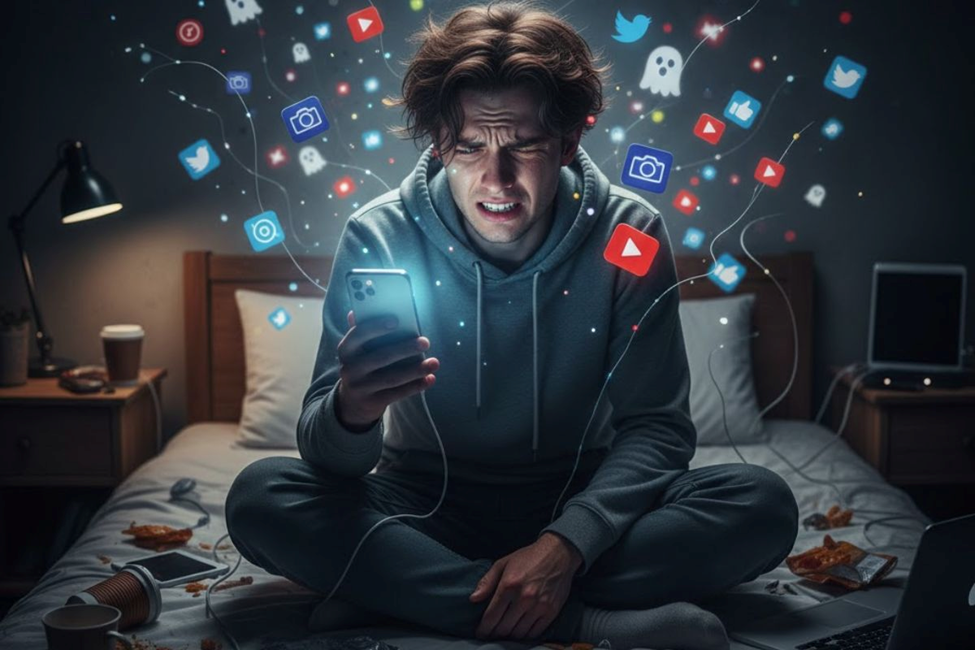
Social media has become a daily habit for millions of people worldwide. Surveys show that 95% of teens and 84% of young adults use these platforms as an avenue to express themselves, connect with others, learn new things, and share their experiences. While social media isn’t entirely bad, there are real dangers that users need to recognize and avoid.
During the teenage years and early adulthood, people are learning who they are and how to build healthy relationships. This makes it especially important to understand how social media affects our well-being. Let’s review 15 common dangers and how to reduce or avoid them in your life.
Physical Health Risks
Sedentary Behavior
Spending hours seated and inactive while scrolling through feeds encourages a sedentary lifestyle. While relaxing is important, regular exercise and body movement matter more for your health. Heavy social media users often stay in one position for long periods, which creates negative effects on circulation, muscle tone, bone health, and immunity.
The key is to aim for an active lifestyle. Take a break every hour to stretch, walk, or add some movement to your day. Your screen time shouldn’t replace physical activity that keeps your body functioning well.
Sleep Problems
A survey found that 1/3 of teens admit to sleeping with their cell phones in bed. The light from screens can disrupt your circadian rhythm, which is your internal 24-hour clock. This makes it harder to fall asleep at night.
Alerts and notifications from apps affect sleep quality too. Many people report waking up to check their phones during the night. Set boundaries with technology at bedtime. Options include a digital curfew an hour before bed, keeping your phone plugged in another room, or putting it on silence. Limit your evening news consumption, as it can cause worry, stress, and anxiety. Gaming can be especially hard to turn off and may lead to staying up later than planned.
Mental Health Concerns
Addiction to Social Media
While there’s no official clinical diagnosis for social media addiction, half of teen users admit it’s hard to give up. Scrolling through apps, refreshing feeds, and getting likes on posts trigger your brain’s chemical reward system. Each dose of feel-good chemicals like dopamine keeps you online longer and has you returning more often.
When a person spends much of their time using or thinking about social media, and it gets in the way of responsibilities, well-being, or relationships, that’s a problem. The human brain enjoys these activities similarly to substance use. Track how much time you spend online and decide if you need to make a change. Set limits, take an afternoon or week off, and reflect on how you feel without constant access.
Cyberbullying
Excessive social media use has been linked to cyberbullying. This includes verbal and social bullying through instant messaging, gaming sites, email, and texting. Half of teen users report experiencing some form of cyberbullying.
Learning about the consequences is the first step in reducing this behavior. Anti-bullying education helps students understand the effects of their actions and make better decisions. Check if your school or community offers programs that address this issue.
Missing Face-to-Face Time
An important part of adolescence involves developing social skills through in-person interactions. Social media becomes harmful when it replaces time with family and friends. The opportunities to build real relationships cannot be fully recreated online.
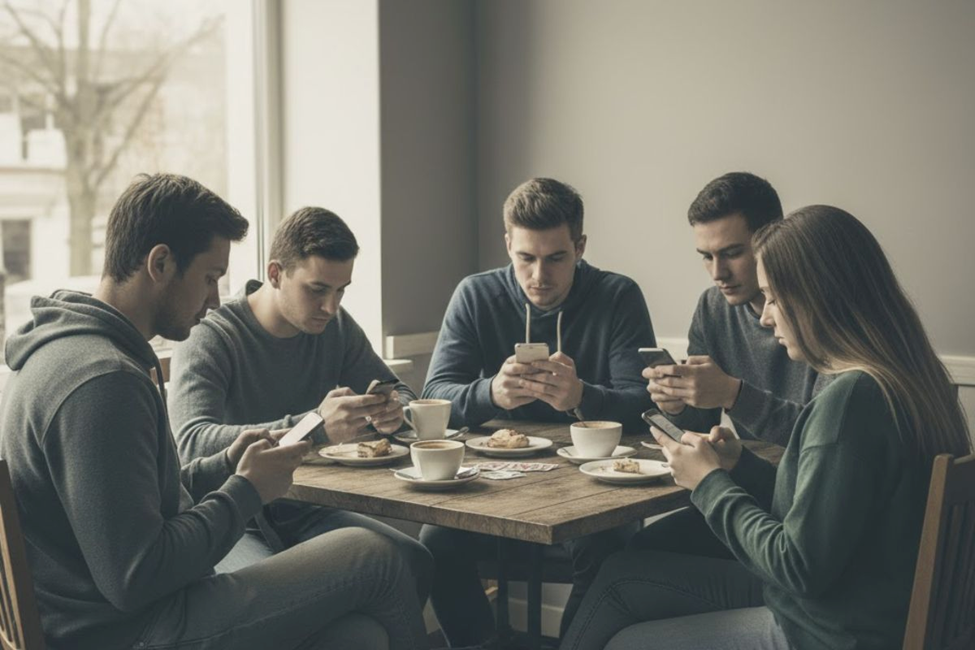
Make spending quality time with people in person a priority. Take a break from your phone when you’re with loved ones. The skills you develop through face-to-face conversations will serve you throughout your life.
Losing Time for Meaningful Activities
Giving up activities you once enjoyed is a red flag. Social media can crowd out meaningful hobbies, quality time with loved ones, and basic responsibilities like work, chores, or taking care of yourself.
Choosing to spend time on social media is okay, but be mindful about it. Track your daily smartphone use and add up the hours each week. Think about what hobbies you’ve given up and reflect on whether those changes serve you well.
Constant Social Comparisons
Social comparison happens when someone evaluates themselves based on another person’s life, experiences, or characteristics. This can cause negative thoughts and feelings. Social media highlights the best parts of users’ lives, making others feel left out, disappointed, or critical of their own situation.
Ask yourself if each account you follow makes you feel good or bad. If someone’s posts consistently make you feel worse about yourself, unfollow or hide their content. Your feed should belong to you and support your mental health.
Damaging Self-Image
Teens and young adults are still learning who they are and who they want to be. Social media can have a positive effect on self-image when it provides diverse representation and opportunities for self-expression. Unfortunately, some users experience much more negative impact.
Instagram conducted its own research and found that teen girls who use the platform often struggle with poorer self-esteem and worse feelings about themselves. Reflect on how you feel when you use different platforms. If certain apps consistently make you feel bad about yourself, take a break. Your well-being matters more than any app. If you need additional resources, talk to someone you trust or a counselor.
Harming Your Online Reputation
The things someone posts or comments on can impact their reputation for years. The accounts you follow and interact with also affect how others see you. These digital footprints come up during job searches, college applications, and future relationships.
Always think twice before you post anything online. Make your accounts private and be selective about who you add as connections. Your future self will thank you for being careful today.
Overall Mental Well-Being Issues
The APA notes that adolescent mental health conditions have continued to rise during the same time that social media has become popular. More research is needed to determine the full extent of how these platforms harm emotional well-being.
If you struggle with anxiety, depression, or another condition, it’s important to monitor how social media affects you. Pay attention to how you feel before and after you use these apps. If you notice problems developing, don’t wait to seek help. Many resources exist to support your mental health.
Content-Related Dangers
Misleading Information
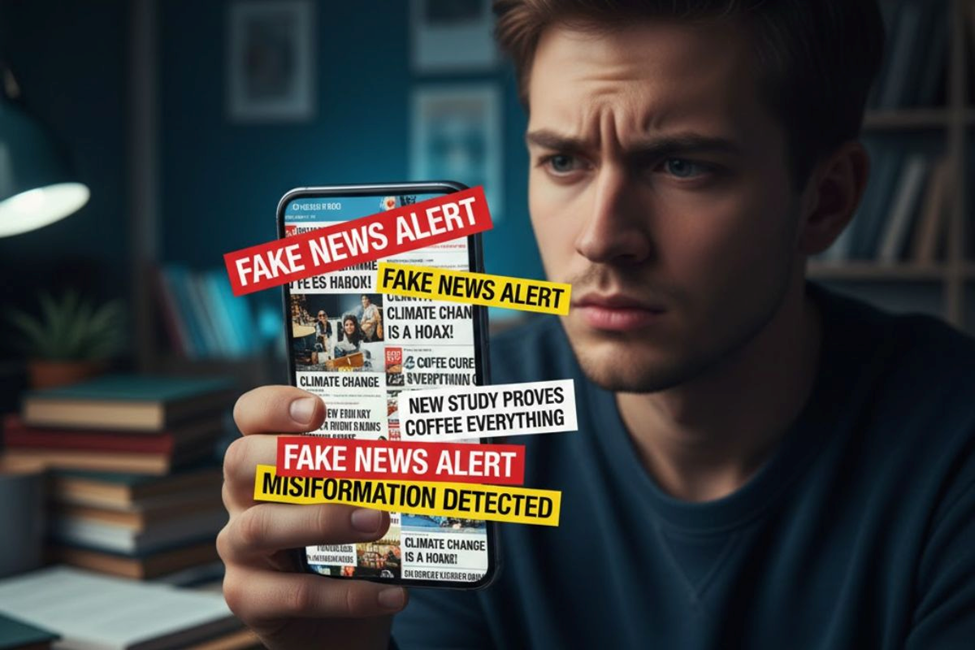
One study found that false news stories spread faster than true ones online. This means you’re likely to see misleading headlines, misinformation, and fake or incorrect information regularly. The negative and dangerous consequences affect the decisions people make about their health, finances, and product purchases.
Evaluating information on the internet is a skill that kids and teens need to learn as they start using these platforms. Becoming responsible users through digital citizenship education is a great resource for teaching students about online safety and critical thinking.
Online Scams
When it comes to digital avenues, it’s good to be skeptical. The FTC reported that scams skyrocketed in 2021. Common frauds include business and investment schemes, shopping scams, and romance scams where someone starts a relationship to convince another person to send them money.
If something sounds too good to be true, it might be. Stay cautious, ask questions, and think twice before spending money or sending cash to people you meet online.
Normalizing Risky Behavior
Risk-taking behavior can include substance use, sexual activity, criminal actions, and dangerous pranks or challenges. When you see risky behavior normalized online, you become more likely to engage in it yourself.
Be picky about what content you consume. Think twice before recording or posting anything questionable. Reflect on your values and make sure your online activity matches them. Try writing down or discussing with someone you trust what’s really important to you. This helps you identify behaviors that don’t align with your goals.
Deceptive Marketing
Social media is filled with ads and sponsored content promoting products, services, and apps. While different from outright scams, companies and marketers want to make money and sometimes use dishonest marketing strategies.
These include fake or biased reviews, false promises, not disclosing sponsorships, photoshopping images beyond recognition, and creating false time-sensitive deals. Educate yourself about these tactics. Flash sales, buzz words, and targeted advertising are designed to make you act quickly without thinking. Remember that influencers usually promote products because they earn money through affiliate links, not because they genuinely love every item they show.
Inappropriate Content Exposure
When a person interacts with certain content, the algorithm is designed to show them similar material. While platforms have guidelines to keep inappropriate content off their websites, you can still encounter violence, hate speech, sexual content, and dangerous challenges.
In fact, one survey found that the majority of teens report accidental exposure to pornography online. The best policy is to be careful about what you click on. Don’t open suspicious messages or images that people send you. Block and unfollow accounts that consistently share inappropriate material. Protect your mental health by controlling what enters your feed.
Professional Network Mistakes
Social media isn’t just for personal use anymore. Many professionals use platforms like Instagram and Twitter for networking. Unfortunately, unprofessional behavior is common and can damage your career opportunities.

When someone follows you or sends a personalized message inquiring about a specific opportunity, failing to respond whatsoever is rude. Even if they’re a stranger, ignoring their greeting makes them think you’re not serious about professional connections.
Don’t post publicly viewable images or status updates from the beach, bar, or Starbucks when you’ve claimed to be sick or on a business retreat. If you RSVP “Yes” to an event and then post about being in Scotland instead, you’re illustrating that you don’t believe you’re beholden to normal grownup behavior. Following through on commitments matters in professional relationships.
Communication Standards
If you’re recruiting or looking for opportunities, ignoring the original poster’s message while seeking what you want shows poor character. As a former magazine staff editor noted, proper communication through DMs or emails separates professionals from everyone else.
Don’t loudly and repeatedly announce your intentions to quit a certain platform as an act of self-care. Making your departure into a melodrama and then returning weeks later to repeat the same thing is attention-seeking behavior that damages your professional reputation.
Working With Brands
If you’re an influencer or hoping to work with brands, understand that companies increasingly keep potential partners under a microscope. They often watch accounts for weeks while staying completely incognito to see how you engage with your audience before reaching out.
Poor behavior can earn you a red flag and a “Pass” or “Not Recommended” verdict. This applies whether you’re seeking work in campaigns, commercials, or events. Brands want to work with people who demonstrate professionalism consistently, not just when they think someone important is watching.
Being a natural connector who promotes other creatives proactively also matters. If you only focus on your own content and never share or support others in your field, you miss opportunities for collaboration that could pay off later.
The bottom line is simple: treat social media with the same respect you’d give to any professional setting. Your online behavior creates lasting impressions that affect your real-world opportunities.
Conclusion
Social media doesn’t have to control your life or damage your future. By recognizing warning signs like poor sleep, constant comparisons, and decreased face-to-face interactions, you can take back control of your digital habits. Set boundaries that protect your mental health, question what you see online, and remember that your real-world relationships matter most. Small changes today, like limiting screen time before bed or unfollowing accounts that make you feel bad, can dramatically improve your overall well-being and open doors to better opportunities tomorrow.
Frequently Asked Questions
How much social media use is too much for teenagers?
When social media interferes with sleep, schoolwork, hobbies, or in-person relationships, it’s excessive. Track your daily usage and aim for balanced screen time that doesn’t replace physical activity or meaningful connections.
What are the first signs of social media addiction?
Difficulty putting your phone down, constantly checking notifications, feeling anxious without access, and neglecting responsibilities are red flags. If scrolling replaces activities you once enjoyed, it’s time to set stricter limits.
How can I protect my mental health while using Instagram and TikTok?
Unfollow accounts that trigger negative self-comparisons, limit evening usage to improve sleep quality, and take regular breaks from apps. Notice how you feel before and after scrolling, your emotional response tells you everything.
Why do teens experience more cyber bullying than adults?
Adolescents spend significantly more time on social platforms and are still developing emotional resilience and conflict resolution skills. Half of teen users report cyber bullying experiences through messaging apps, comments, and group chats.
Can social media posts really hurt my job prospects?
Absolutely. Employers and colleges routinely check applicants’ social media profiles. Inappropriate photos, unprofessional behavior, and poor communication habits create lasting digital footprints that can disqualify you from opportunities years later.
No Comments yet!