
Digital video has become non-negotiable for marketers. By 2028, adults are projected to spend three hours and 30 minutes daily watching digital content, a significant jump from 2024 averages. For the third consecutive year in the U.S., digital video consumption has surpassed traditional TV viewing time, and this trend shows no signs of slowing.
With multiple networks supporting short-form video content and accessible editing apps making production easier than ever, there’s never been a better time to dive into video marketing. The interest in brand authenticity combined with simpler tools means even small teams can create impactful content.
Set Clear Goals Before Creating Content
Before jumping into production, establish what you want your videos to achieve. If you’re starting out, focus on a few specific goals rather than overwhelming yourself with too many objectives.
Your video marketing goals should align with different stages of the typical marketing funnel. Consider which stage each piece of content serves, awareness, consideration, decision, adoption, or advocacy. This alignment helps you develop highly effective calls to action and ensures your content moves viewers through their buyer’s journey.
Reach New Customers Through Awareness Content
According to the 2024 Sprout Social Media Content Strategy Report, social media users increasingly turn to video-centric channels like Instagram, YouTube, and TikTok for product discovery. Millennial and Gen Z consumers rely on digital video content to find and vet brands, products, and services.
At this first stage, your goal is capturing attention and introducing your value proposition. Create eye-catching educational videos or opinionated thought leadership pieces that establish credibility and brand identity. Keep these videos short, anywhere from seconds to a few minutes, and get straight to the point.
Patagonia demonstrates this effectively with their product videos. Their outdoor gear showcases children wearing winter coats and hats while exploring the outdoors, participating in sports like skiing. The relatable, short format works perfectly for Facebook posts and can be promoted as social ads.
Generate Demand During Consideration
Once consumers reach the consideration stage and know your brand exists, generate demand through how-tos and tutorials. Show your product in action so it’s easy for consumers to envision using it themselves.
Brands in skincare, makeup, and wellness spaces excel here. HUM Nutrition shares short-form videos featuring influencers, creators, customers, and staff members using their supplements in daily life. These videos feature bright, clean aesthetics where supplement bottles with colorful labels stand out.
One example shows their Hair Strong vitamins featured in a routine to restore hair health. This relatable content offers tips while showcasing products, giving followers an easy, applicable routine they can adopt.
Data from Q2 2024 Sprout Social Pulse Survey shows 87% of consumers strongly or somewhat agree they expect influencers to speak out on causes that align with their values. Lean into this consumer interest by using video to highlight your brand story and core values, establishing an emotional connection that makes audiences more likely to choose your company over competitors.
Drive Conversion With Decision-Stage Content
At the decision stage, customer testimonial videos go a long way toward showing the real potential payoff of your products or services.
Codecademy, an online coding school offering free courses and a thriving community, shares short videos about individual students’ stories. One video features Codecademy alum Noah, who shares his journey from self-taught programmer looking to create a booking solution for a yoga business to becoming a full-stack engineer.
Noah tells a strong story through fun, engaging editing. The video feels aspirational yet authentic creating that “could be you” feeling. For folks without a coding background wanting to uplevel their career, Noah’s story showcases how anyone from any background can jump into Codecademy classes.
Rather than making promises and hoping prospects take their word for it, Codecademy shows how they’ve earned students’ trust and made a difference in their lives. Use this kind of content to show potential customers the results and real benefits others have reaped.
Educate Customers During Adoption
Once a prospect becomes a customer and enters the adoption stage, educate them to get the most from your products or services. Energetic how-to videos work ideally on platforms like YouTube, LinkedIn, and Instagram Reels, where people are willing to spend time watching and learning.
Educational video works especially well for products or services with lots of features based on specific needs or learning curves. Content focused on hacks, tips, optimization, and special features puts complexities into perspective and makes customers confident.
Webinars serve as highly effective mediums that give customers a chance to engage with your brand in real-time and ask questions. Going live can capture a broader audience, too. On platforms like TikTok, live streams get suggested to users as they scroll through their feed. Your biggest fans and existing followers will likely tune in, and on Instagram, live streams appear at the top of the interface at the beginning of Stories, making them hard to miss.
Inspire Evangelism Through Advocacy
At the advocacy stage, satisfied customers sing your praises and champion your brand. Advocacy videos make customers feel heard, not sold to. Capitalize on the organic, genuine love for your brand or product.
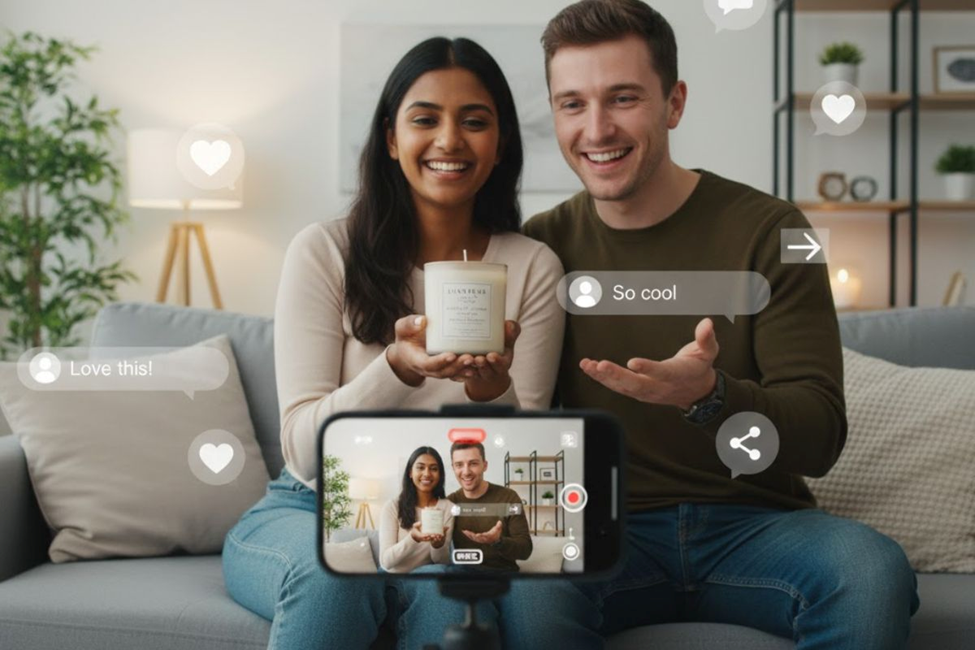
Use social listening tools like Sprout Social Listening to capture brand mentions from engaged profiles and surface user-generated content. The Profile Overview tab in Sprout Social’s dashboard helps identify potential advocacy videos that could go viral, coming straight from your fans.
Brand strategies also get bolstered by employee advocacy content. Consider showcasing colleagues who can show the ins and outs of your company and why they love working there.
Choose the Right Platforms for Distribution
Every major social media platform supports some form of video, giving you plenty of real estate to incorporate into your strategy. If you’ve used video on a platform where you already have audiences established, that’s a smart place to start.
The 2024 Content Strategy Report found Gen Z and Millennial audiences gravitate toward Instagram, three-quarters of users in these age groups use the platform. Gen X and Baby Boomer audiences lean toward Facebook. Instagram and YouTube place in the top five platforms across all age groups.
When TikTok Makes Sense
Without doubt, TikTok helped popularize short-form video and has become one of the internet’s favorite apps. Content Strategy Report data showed 68% of social media users use TikTok, with Gen Z and Millennials leading the way at 86% and 73% respectively.
Gen Z particularly uses the channel for online shopping and as a news source. The app’s collaborative features like Duets, paired with its nuanced culture, have fueled TikTok trends and sounds that give brands new ways to get creative with video marketing. The app serves as a powerful awareness driver, and trends like #TikTokMadeMeBuyIt show how short-form video converts consumers into customers.
When YouTube Delivers Results
With over 2.5 billion monthly active users, YouTube reigns as one of the most popular video platforms for both consumers and marketers. This massive user base provides a great reason for brands to consider YouTube marketing.
YouTube also ranks among the most popular search engines in the world. Videos on the platform show up in Google’s search engine results pages (SERPs), meaning marketers can use YouTube to increase their brand’s visibility by producing content that targets commonly searched topics.
YouTube Shorts offer a short-form video option worth considering since short-form video delivers the highest ROI compared to current marketing trends. Use Shorts to showcase clips from longer videos, share user-generated content, or offer bite-sized insights alongside your in-depth videos.
Understanding Video Formats Across Platforms
Once you choose the right platform for your brand’s video marketing, you need to understand what each offers in terms of video dimensions and how content gets displayed. This knowledge helps you repurpose videos most effectively.
Many platforms, including Reels, TikTok, and YouTube Shorts, use the 9×16 vertical video aspect ratio, making it easy to cross-post video across different social platforms. However, platforms add features regularly, and it’s hard to keep track of what type of video content can be uploaded where and what might need additional editing.
Repurpose Content Strategically
When you put effort into creating quality video content, you want to make sure as many pairs of eyes as possible see it. Take advantage of repurposing video content across channels where your audience and brand already have a presence.
If your preferred social channel is where your audience spends most of their time, it makes sense to approach video content with that network top of mind. However, your audience across different accounts will likely enjoy well-made video too.
The good news is feature and length parity keep getting closer. YouTube recently increased the maximum length for YouTube Shorts to 3 minutes, making it easier to repurpose videos between platforms. Reels, TikTok, and YouTube Shorts all use vertical 9×16 video style, meaning you won’t need to crop or extensively edit your video to repurpose it—as long as you keep maximum length requirements in mind.
The upside of reposting a carefully made Instagram Reel to YouTube and TikTok is reaching members of your audience who didn’t catch it in its original form while potentially finding new customers along the way.
Select Video Types That Support Your Goals
Determining which type of video works best for your brand represents an important step in your marketing strategy. Not all videos need to be made the same way, but it’s important they support your key goals.
Research from the Content Strategy Report found consumers are increasingly willing to interact with brands on social media—48% of consumers interacted with brands on social media more frequently over the last six months. They’re using these interactions to build connection and derive value, wanting brands that feel human and real.
Educational and Informative Content
These videos create brand awareness among new customers and often take a polished tone to establish your brand as an expert. When created for current customers, these videos focus on guides, tips, and getting the most from a product.
Explainer Videos
Similar to educational videos, explainer content focuses on teaching your audience what your brand, product, or service can offer. Use these videos to quickly explain how your company or brand helps solve a particular problem. End with a strong call to action that prompts viewers along the marketing funnel.
Behind-the-Scenes Content
Give a look at your company operations and employees. These videos serve to entertain your audience and give a virtual peek behind the curtain, building authenticity.
Interviews and Guest Speakers
Interviews provide a great way of introducing your audience to a new influencer or vice versa. Handing over the virtual mic to a guest can be fun and provide authenticity to your brand.
Entertaining Content
These videos include jokes, cute puppies, or pranks that serve to entertain your audience. They’re a great way of emphasizing your brand voice and building a sense of community. Customers enjoy edutainment content—66% of respondents in the Content Strategy Report found it the most engaging type of brand content.
Testimonials
These videos look at customer highlights and help create social proof for your brand. Videos that showcase how a customer uses your product or service and their satisfaction operate on a connection level. Ideally, a potential customer sees the video and gets persuaded to make a purchase.
Product Videos
Highlight top features of your brand’s most popular product or service by showing it in action. Showing off what makes your product or service unique helps customers envision using your brand.
Narrative Content
Put on your author’s hat and tell an engaging story that leaves a lasting impression on viewers. Use animation or go documentary-style to explain how your brand was founded, how a customer problem got resolved, or anything that showcases a memorable story.
Plan Content Production Carefully
A good content production plan saves time and money in the long run. Whether you use a spreadsheet or old-fashioned pen and paper, you need to establish how you’ll create and film videos.
Evaluate your options for content production and post-production. Hiring an agency or production company can alleviate a lot of stress—they handle planning and approvals, though you’ll still need to give guidance during planning.
If you’re doing production in-house, think through all steps needed to produce a successful video. This includes but isn’t limited to:
Identifying needed equipment and props, writing and editing the script, storyboarding the video, planning the shoot with optimal filming conditions in mind, gathering and nurturing talent (people featured in the video), identifying where to film while taking natural daylight into consideration for timing, knowing where to send footage to get edited, and determining approval sign-offs at each step.
You’ll want to make sure the script sounds good and is on-brand and on-voice, which may require two people to review. Check that any music you’re using is properly licensed.
Once you run through your content plan, find ways you might need to tweak things you missed earlier. Your first efforts at putting together a comprehensive video content plan should be ready to adjust as needed. With a solid plan that gets executed over time, you can move to post-production.
Handle Post-Production Effectively
Allot plenty of time for post-production, especially for videos used as ads that have heavier editing needs. Post-production doesn’t just mean cutting scenes and putting them back together with music, it includes additions like closed captions, text overlays, and call-to-action screens.
Once you film, think about how polished you want the video and how much time you’ll need. Some videos need only light edits in post-production. If you host a Face book Live, the video gets published immediately when it ends, and you’ll only be able to edit the caption, title, and not much else.

Uploaded videos go through a different post-production process. On YouTube, you’re able to add tags, multiple language closed captions, and detailed descriptions.
Know what you’re getting into before you start. Formal, polished videos for YouTube require a lot more work than a basic live stream.
Conclusion
Video marketing has evolved from an optional tactic to an essential component of modern digital strategy. By aligning your content with specific funnel stages, choosing platforms where your audience naturally congregates, and repurposing quality videos across channels, you can maximize reach without multiplying workload. The key lies in balancing authenticity with polish, creating videos that educate, entertain, and convert while staying true to your brand voice. Whether you’re producing quick TikTok clips or detailed YouTube tutorials, success comes from understanding your goals, knowing your audience, and consistently delivering value that resonates.
Frequently Asked Questions
What’s the best video length for social media marketing in 2025?
Short-form videos between 15 seconds to 3 minutes perform best across platforms like TikTok, Instagram Reels, and YouTube Shorts, delivering the highest ROI while maintaining viewer attention.
Which social media platform should I prioritize for video marketing?
Focus on platforms where your target audience spends time, Instagram and YouTube work across all ages, while TikTok dominates with Gen Z and Millennials for discovery and shopping.
How can I repurpose video content without losing quality?
Use the 9×16 vertical format to easily cross-post between Reels, TikTok, and YouTube Shorts, adjusting only the length and captions to fit each platform’s specific requirements.
What type of video content generates the most engagement?
Educational content mixed with entertainment (edutainment) drives 66% of engagement, while customer testimonials and behind-the-scenes footage build authentic connections that convert viewers into customers.
Do I need professional equipment to create effective marketing videos?
Not necessarily, accessible editing apps and smartphone cameras can produce quality content, but invest in good lighting, clear audio, and proper planning to maintain professionalism and brand credibility.
No Comments yet!