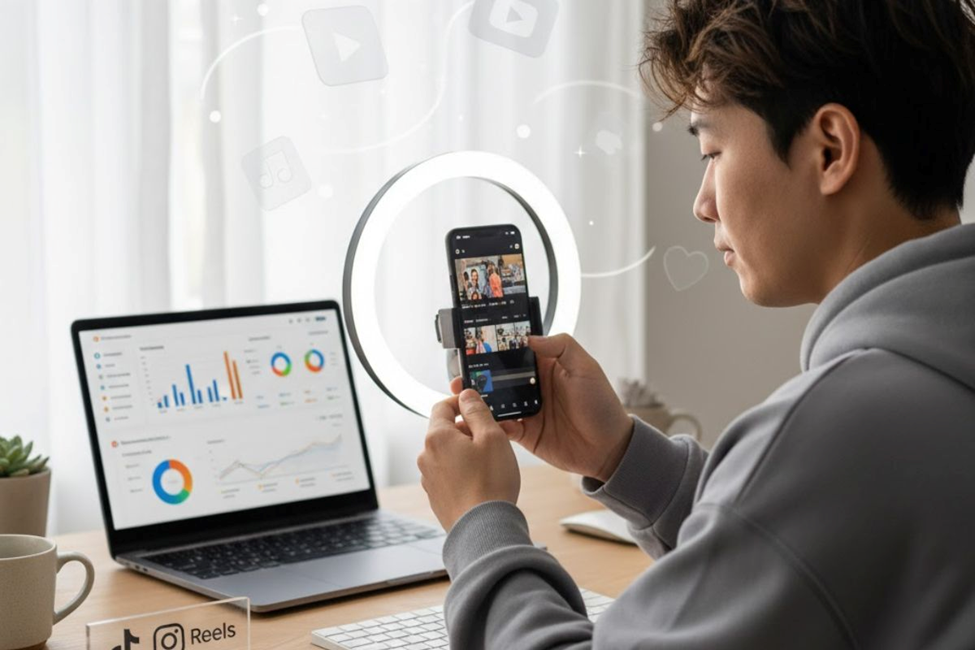
Scroll through any social media feed today, and one thing dominates: short-form video. Whether it’s a 10-second product teaser, a snappy how-to clip, or behind-the-scenes brand moments, bite-sized videos are at the heart of digital engagement in 2025.
People’s attention spans are shrinking, and traditional long-form content struggles to keep up. Brands are tapping into short-form video marketing to grab attention, tell stories, and drive conversions, all within seconds. Platforms like TikTok, Instagram Reels, and YouTube Shorts have skyrocketed in popularity, proving that consumers crave fast, engaging, and digestible content.
Why People Love Short-Form Videos
TikTok has 1.12 billion monthly active users. Why do so many people watch content on these platforms? The answer is simple: it’s quick, engaging, and addictive.
Instant entertainment delivers fun, humor, and information during breaks. AI-powered algorithms curate personalized feeds that keep users hooked in endless scrolling. Easy to consume anytime, anywhere, bite-sized videos fit into any busy schedule.
Trend-driven content including viral challenges, memes, and real-life moments keeps viewers excited. Visually engaging creative edits, filters, and storytelling maintain attention. FOMO (fear of missing out) drives people to stay updated on trends, news, and pop culture. Diverse content variety spans comedy, education, and everything in between.
The Evolution of Short-Form Video
Digital marketing didn’t always focus on short videos. The story traces back to 2013 when Vine popularized 6-second looping videos. Though it shut down in 2017, Vine paved the way for today’s boom.
In 2016, ByteDance launched TikTok (known as Douyin in China). The platform gained global traction after merging with Musical.ly in 2018. By 2021, TikTok reached over 1 billion users and exceeded 4.5 billion downloads worldwide.
Seeing TikTok’s success, Instagram introduced Reels and YouTube launched Shorts in 2020, both responding to TikTok’s dominance. These features became vital tools for brands to reach larger audiences.
Why Short-Form Video Dominates in 2025
Short-form video is the dominant force because of changing consumer behavior, algorithms, and evolving marketing strategies.
People Want Fast, Engaging Content
How often do you sit through a full-length YouTube tutorial when a 30-second clip delivers the same information? Short-form video works because it delivers quick value without demanding too much time.
Social media has rewired content consumption. Scrolling has become second nature. Platforms feed us endless loops of high-energy videos that keep us hooked. Viewers expect speed—if content doesn’t hook them in the first three seconds, they’re gone.
Social Media Algorithms Favor Video
Have you noticed engagement on text and image posts dropping? Platforms prioritize video content because it keeps users on the platform longer.
Algorithms push creators to make video content because it thrives on metrics like watch time and replays. Videos outperform static posts and appear on explore pages and suggested feeds. Even Facebook and LinkedIn have adapted to these trends.
Video Drives Sales
Short-form video converts. It influences purchasing decisions better than any other content type. A well-placed product demo, influencer review, or user-generated content clip can push consumers from browsing to buying. Studies show 72% of people prefer learning about products and services via video.
Lower Production Costs
Years ago, creating video content required expensive equipment and professional teams. Now, anyone with a smartphone and free editing tools can create viral-worthy content. AI-powered apps streamline post-production, making video creation budget-friendly.

Short-form video thrives on authenticity, meaning content doesn’t need to be polished. Raw, unfiltered moments can succeed if they resonate with audiences.
How TikTok, Reels, and Shorts Help Businesses
Where there’s an audience of billions, businesses see opportunities to increase visibility and engagement. These platforms offer massive potential for brand storytelling.
TikTok’s Impact on Businesses
TikTok’s algorithm pushes content organically, making it easier to go viral. Even small businesses gain exposure without massive advertising budgets.
Ocean Spray’s cranberry juice saw a 400% sales increase after a viral video featuring Nathan Apodaca skateboarding while drinking their product. The hashtag #TikTokMadeMeBuy helped numerous products sell out overnight.
TikTok for e-Commerce: Livestream shopping allows businesses to showcase products in real-time. Integration with Shopify and WooCommerce lets creators set up stores easily.
Instagram Reels Impact on Businesses
Instagram Reels has been a game-changer. With over 2 billion users, Instagram became a golden opportunity for brands to reach wider audiences and boost sales.
Increased brand visibility: Instagram’s algorithm prioritizes Reels over static posts, helping content go viral. Small businesses can appear on the Explore page for free.
Shoppable features boost sales: Brands tag products in Reels. Viewers can click through to websites or tap to purchase without leaving the app.
Cost-effective marketing: Brands don’t need paid ads. They save money while gaining organic reach, allowing smaller businesses to compete with bigger competitors.
YouTube Shorts Impact on Businesses
YouTube Shorts launched in September 2020 and opened monetization opportunities. With over 2.70 billion users, Shorts generate 50 billion daily views globally.
Brand awareness: Businesses create Shorts that rank higher on the YouTube homepage and mobile feeds. The platform prioritizes fresh content, increasing recommendation chances.
Higher engagement: Shorts are highly engaging due to their snappy nature, capturing attention immediately while entertaining viewers.
Monetization: Creators join the YouTube Partner Program (YPP) by meeting criteria: 1,000 subscribers and 4,000 watch hours in the last 12 months.
Key Strategies for Creating Effective Short-Form Videos
Understanding what makes people stop scrolling is crucial. Competition is fierce, and every second counts.
Hook Viewers Immediately
Viewers decide within seconds whether to keep watching or swipe away. There’s no time for slow intros. The opening must be bold, visual, and direct.
Use unexpected movements, color changes, or intriguing visuals. Overlay text and captions—since many watch on mute, on-screen text helps convey the message.
Example: Instead of explaining a product first, reveal a before-and-after transformation instantly, then explain the process.
Keep It Focused
Not every video needs to be 15 seconds or less, but content must stay focused. Avoid cramming too many points into a single video. Break ideas into a mini-series if needed.
Use quick cuts and smart pacing. Don’t add filler, every second should serve a purpose.
Make Trends Work For You
Trends are short-lived but can skyrocket visibility if used right. Follow viral sounds and challenges, but make them your own. Adapt trends to fit your message and brand identity.
Authenticity Wins
Raw, unfiltered, and real content wins over studio-quality productions. Show personality. Behind-the-scenes moments create stronger connections.
User-generated content is gold. Authentic, in-the-moment clips feel more relatable than overly produced ads. Customer reactions and spontaneous moments perform best.
End With A Clear CTA
Include a clear call-to-action. Do you want viewers to like, comment, share, or buy?
Examples: “Tag a friend who needs this,” “Drop a comment if you agree,” “Click the link in bio,” or “Shop now, free shipping.”
Benefits of Short-Form Video for Brands
Short-form video hooks viewers fast, reaches wider audiences organically, and is 2x more likely to be shared than other content. It’s easier to understand, speeding up decision-making.
Whether you’re in fashion, tech, fitness, or finance, short videos help educate, entertain, and sell. Quick testimonials, real-time updates, and authentic content build trust. Since 80% of video consumption happens on mobile, this format is tailor-made for modern user behavior.
The Role of Short-Form Videos in Marketing Campaigns
Short-form video is adaptable for everything from awareness to sales. But strategy matters random videos won’t deliver results.
Building Brand Awareness
Discovery on these platforms isn’t shown just to existing followers, it’s pushed to huge new audiences if content performs well. Trending sounds and hash tags boost organic reach. Snappy videos introduce brands without being pushy.
Driving Sales
Product demos show rather than tell. Before-after transformations work exceptionally well for beauty brands. Answer FAQs in video format to handle objections directly, reducing buyer hesitation. Limited-time deals create urgency, driving impulse purchases.
Maintaining Engagement
Keep followers coming back with exclusive content, educational how-tos, story-driven series, and personal responses to comments? A coffee brand could share daily brewing tips, making followers feel they’re learning something valuable.
Building Trust
People trust what they see in action. Influencer collaborations and customer testimonials are powerful trust-builders. User reviews feel real. Product demonstrations build credibility.
Best Practices for 2025
Simply posting content isn’t enough, you need to stand out in the endless scroll.
Tell Stories, Not Sales Pitches
Nobody logs onto social media to watch ads. Focus on telling stories that naturally showcase your brand. Show someone using your product in real life rather than listing features.
Optimize for Sound-Off Viewing
Ever scrolled social media in a public place with your phone on mute? Most people do. That’s why captions are non-negotiable. Make sure your video works even with sound off.
Quality over Quantity
Over saturating feeds with mediocre content does more harm than good. One great video beats ten forgettable ones. Post strategically, not constantly.
Engage With Your Audience
Respond to comments, reply to questions, and create follow-up videos based on feedback. These interactions build loyal communities.
The Future of Short-Form Video
Looking ahead, expect AI-powered personalization with hyper-personalized content recommendations. Platforms are pushing slightly longer formats (15-30 seconds) for deeper storytelling. Shoppable video features like Instagram Shop and TikTok Shopping make buying from videos effortless.

Raw, authentic content will dominate over polished ads. Brands will repurpose content across TikTok, Reels, Shorts, and beyond using multi-platform strategies.
Conclusion
Short-form video isn’t a trend, it’s the new standard for how people discover, engage, and buy. The brands winning aren’t the ones with the biggest budgets; they’re the ones telling authentic stories in under 30 seconds. Start small, test what resonates, and let your audience guide what you create next because the scroll stops for content that feels real, not perfect.
Frequently Asked Questions
What length works best for short-form videos in 2025?
Aim for 15-30 seconds on TikTok and Reels, while YouTube Shorts can go up to 60 seconds focus on hooking viewers in the first 3 seconds.
Do I need expensive equipment to create short-form videos?
No, smart phones and free editing apps are enough. Authenticity matters more than production quality, so raw content often performs better than polished videos.
How often should I post short-form video content?
Quality beats quantity post 3-5 high-value videos per week rather than daily mediocre content, and focus on engagement over frequency.
Which platform should I prioritize: TikTok, Reels, or Shorts?
Start where your audience is most active, but repurpose content across all three platforms to maximize reach and test what performs best.
Can short-form video actually drive sales or just engagement?
Yes, 72% of consumers prefer learning about products via video, and shoppable features on these platforms convert viewers into customers faster than traditional ads.
No Comments yet!